Mineral Rights · Colorado

Mineral rights
in Colorado.

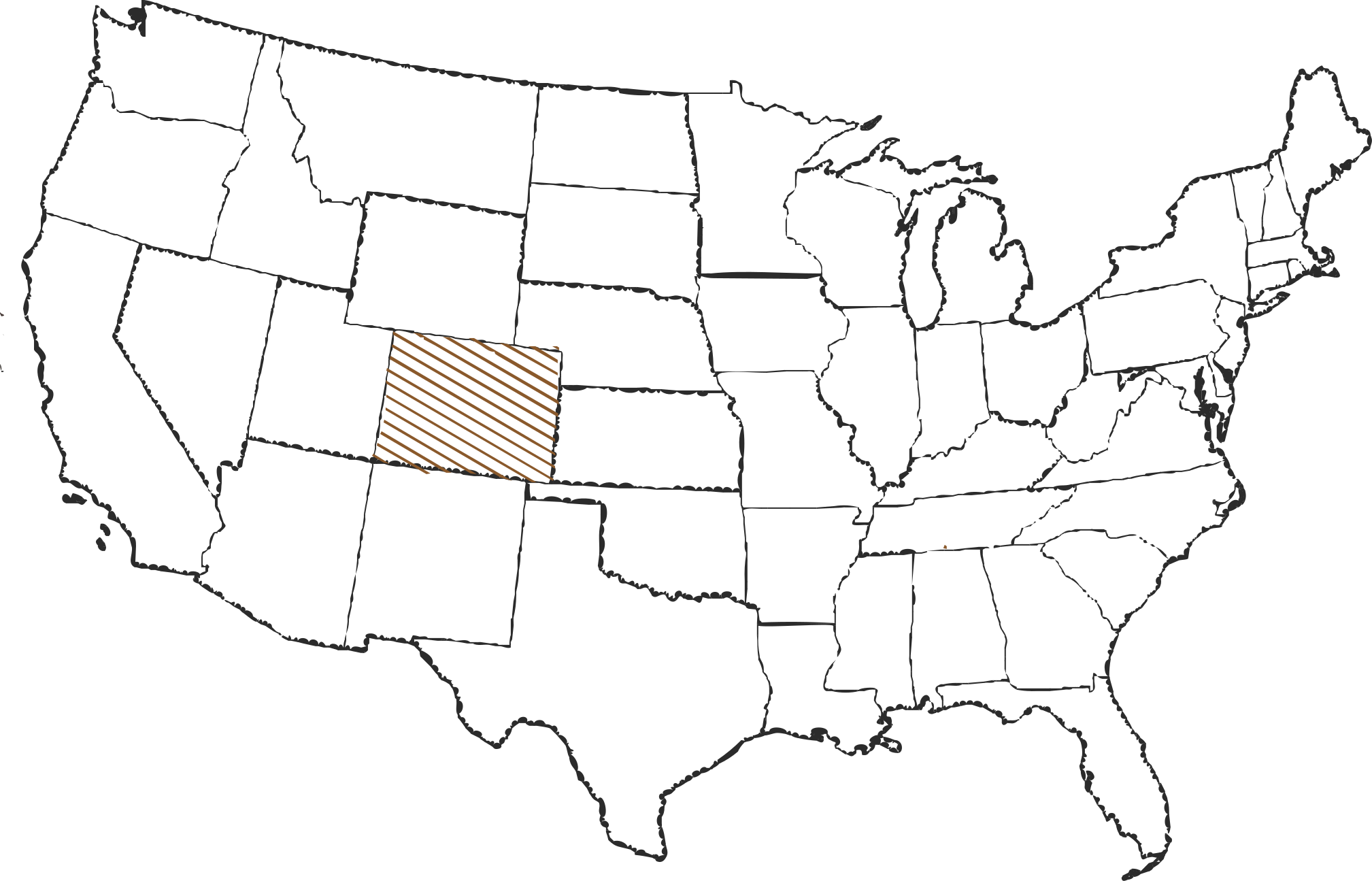
Colorado's oil and gas activity is concentrated along the Front Range in the DJ Basin, with smaller plays in the Piceance and Raton basins. If you inherited mineral rights in Colorado, we are happy to walk through what you have.

01

A tale of one basin, mostly.

Colorado's oil and gas industry is unusually concentrated. While the state has multiple basins with hydrocarbon resource, the overwhelming majority of current activity happens in one place: the Denver Julesburg Basin, centered on Weld County along the Front Range.

Within the DJ, the Wattenberg Field is the dominant producing area, where horizontal wells target the Niobrara and Codell formations at roughly 7,000 to 8,500 feet below the surface. The basin has been producing since the 1970s, with modern horizontal development transforming output over the past fifteen years.

If you inherited Colorado mineral rights, there is a very high chance they are in or near the DJ. Other basins in the state exist but see far less activity, and mineral ownership in those areas looks different in ways we can help you understand.

02

Three basins, very different stories.

Colorado has three basins with meaningful hydrocarbon activity, though they could not be more different in maturity, economics, and outlook.

Denver Julesburg
The dominant basin by a wide margin. Horizontal Niobrara and Codell development across the Front Range, with Weld County holding the vast majority of active wells and permits in the state.
Basin Page →
Piceance
A gas-heavy basin on the Western Slope centered in Garfield and Rio Blanco counties. Historically significant but currently in a quieter period, with activity sensitive to natural gas prices.
Raton
A coalbed methane basin in south-central Colorado. Activity is limited relative to the DJ or Piceance, but mineral owners in Las Animas and Huerfano counties may have exposure here.
04

The names on the checks.

A handful of operators dominate Colorado drilling, with the list consolidated significantly over the past five years through mergers and acquisitions. If you receive royalty checks or lease offers in Colorado, they almost certainly come from one of these companies.

Consolidation is ongoing. Some operators listed have been acquired or absorbed by others in recent years.
05

Colorado is not a light-touch state.

Colorado has one of the most involved oil and gas regulatory frameworks in the country, shaped heavily by legislation passed in 2019 and subsequent rulemaking. For mineral owners, this affects everything from lease terms to pooling procedures to how quickly a well can move from permit to production.

State Regulator
ECMC (Energy & Carbon Management Commission)Formerly known as the COGCC. Renamed in 2023 to reflect a broader mandate.
Key Legislation
Senate Bill 181, passed 2019Fundamentally restructured oil and gas regulation in Colorado. Gave local governments more authority and shifted the regulator's mission toward environmental and public health.
Pooling Process
Forced pooling requires a majority consent thresholdOperators must secure lease commitments from 45% of mineral owners in a drilling unit before they can force pool the remainder. The threshold tightened significantly in recent years.
Standard DSU
1,280 acres (2 sections) for most horizontal Wattenberg wellsDrilling Spacing Unit size. Most modern Wattenberg wells are drilled within this footprint, with 12 or more wells per pad common.
Records System
ECMC eFiling (public document database)All pooling orders, spacing applications, and permit records are publicly searchable. This is how we research every tract we analyze.
Own minerals in Colorado

Let us take a look.

Tell us what county you are in and we will put together a plain-English analysis of what you have. No pressure, no pitch.