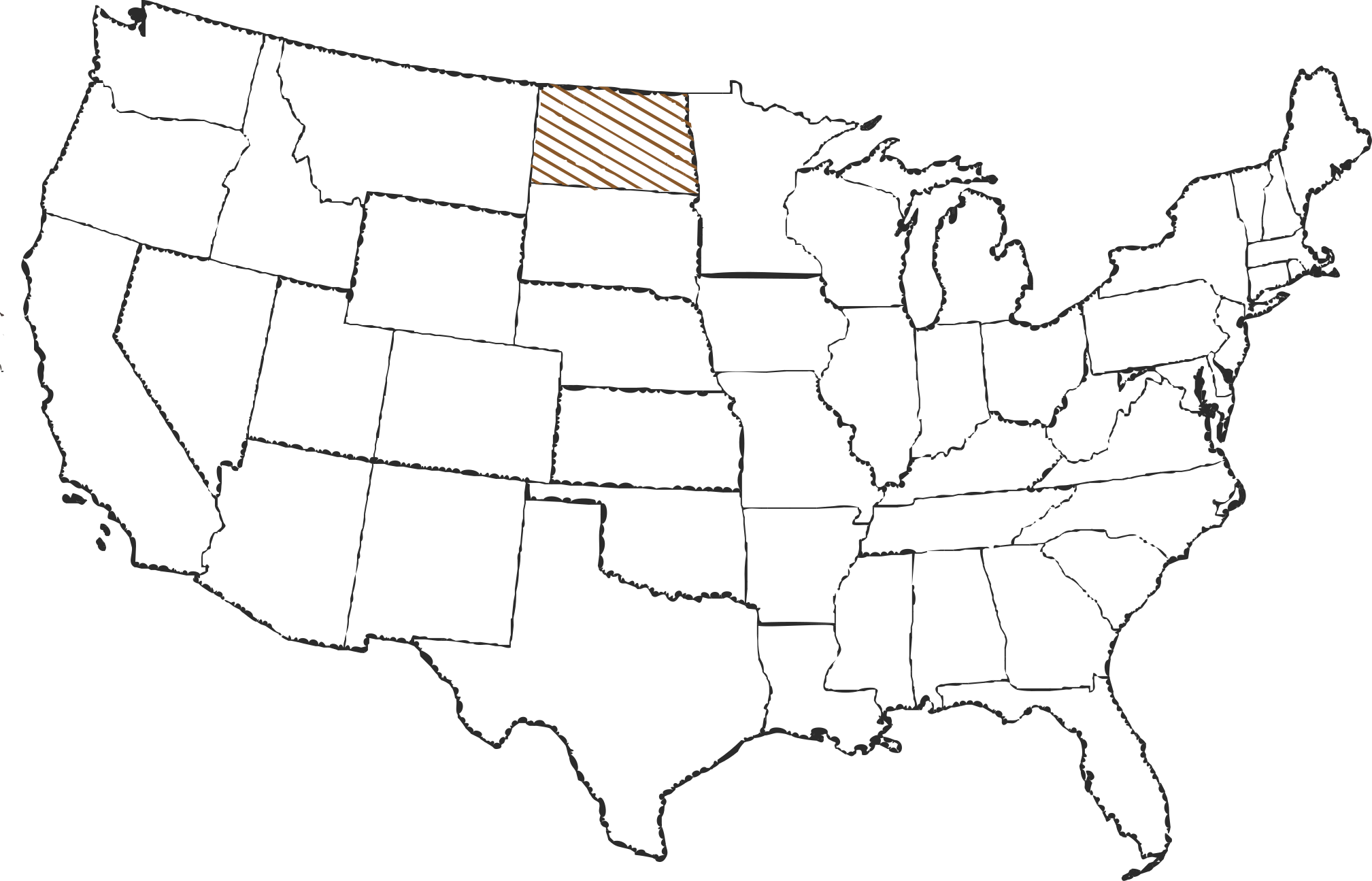
Mineral Rights · North Dakota

Mineral rights
in North Dakota.

North Dakota is home to the Bakken, one of the most productive oil plays in US history. Mineral rights in this state are often substantial, often inherited, and often poorly understood. We are happy to help you sort it out.

01

One basin, one play, a lot of activity.

North Dakota's oil and gas industry is almost entirely the Williston Basin, and almost entirely the Bakken / Three Forks play. What was a minor producer in the 1990s became one of the most prolific oil plays in US history after horizontal drilling and hydraulic fracturing unlocked the basin's tight shale reservoirs in the mid-2000s.

Activity is concentrated in a handful of western North Dakota counties: McKenzie, Mountrail, Dunn, and Williams. Within those counties, horizontal wells are drilled from multi-well pads targeting the Middle Bakken and Three Forks formations, typically at depths around 10,000 feet.

North Dakota mineral ownership has unique characteristics. Many interests trace to homestead-era land grants, and the state has a high concentration of non-resident mineral owners — people who inherited rights from family who homesteaded but never lived on the land themselves. If that describes your situation, you are not alone.

02

One basin that runs the state.

North Dakota's oil and gas story is effectively a single-basin story. The Williston Basin covers western North Dakota and extends into Montana and Saskatchewan.

Williston Basin
The dominant producing basin. Home to the Bakken and Three Forks formations, which together have made North Dakota one of the largest oil-producing states in the country.
04

The names behind the wells.

The Bakken has seen heavy operator consolidation over the past decade. The list below reflects both the largest current operators and legacy names you may still see on older division orders and royalty statements.

Consolidation is ongoing. Chord Energy, for example, is the result of the Whiting-Oasis merger in 2022.
05

North Dakota is a development-friendly state.

North Dakota's regulatory posture has been consistently pro-development throughout the Bakken era. The state regulator is known for relatively fast permitting cycles and a workmanlike approach to pooling and spacing. For mineral owners, this generally means cleaner processes than in more restrictive states.

State Regulator
NDIC (North Dakota Industrial Commission), Oil and Gas DivisionThe primary regulatory body. Handles permits, spacing, pooling, and production reporting for all oil and gas activity in the state.
Records System
NDIC online recordsPublic database of permits, production, pooling orders, and well files. One of the more comprehensive public systems in any oil-producing state.
Pooling Process
Compulsory pooling is common and streamlinedNorth Dakota allows forced pooling with a relatively straightforward process. Unleased owners typically have a choice between leasing, participating in costs, or having a risk penalty applied.
Standard DSU
1,280 acres (2 sections) for most Bakken horizontal wellsTwo-section spacing units are standard for modern Bakken development. Some older wells and some newer extended-laterals use different spacing.
Tribal Lands
Fort Berthold Indian Reservation has distinct rulesMineral rights within the Fort Berthold Reservation are subject to BIA involvement and tribal jurisdiction. These interests are meaningfully different from fee-simple state interests.
Own minerals in North Dakota

Let us take a look.

Tell us what county you are in and we will put together a plain-English analysis of what you have. No pressure, no pitch.